

The Advantages of Horticultural Sprinklers for Small Farms
Efficient irrigation is one of the most important factors in achieving consistent, high-quality yields on a small farm. Whether you are growing vegetables, managing a polytunnel, or maintaining a young orchard, getting water to your crops in the right quantity and at the right time is essential. This is where horticultural sprinklers come into their own.
Unlike domestic garden sprinklers or large-scale agricultural irrigation systems, horticultural sprinklers are specifically designed to meet the needs of growers working on a smaller, more controlled scale. They offer precision, flexibility, and efficiency, making them an ideal solution for small farms across the UK.
In this guide, we will explore what horticultural sprinklers are, how they work, and why they are such a valuable investment for small-scale growers.
What Are Horticultural Sprinklers?
Horticultural sprinklers are irrigation devices designed to distribute water evenly across crops in controlled environments such as vegetable plots, polytunnels, nurseries, and small orchards. They sit between domestic outdoor sprinklers and large agricultural irrigation systems in both scale and performance.
Whereas a domestic sprinkler is typically designed for lawn coverage, horticultural sprinklers are engineered for plant health. They provide uniform water distribution, minimise waste, and can be adapted to suit a wide range of crops and growing conditions.
At the heart of any system is the sprinkler head, which determines how water is dispersed. Different sprinkler heads can produce fine mists, gentle sprays, or more powerful jets depending on the requirements of the crop and environment.
How Horticultural Sprinklers Work
Horticultural sprinklers operate by forcing water through a nozzle under pressure, breaking it into droplets that are distributed over a defined area. The design of the sprinkler head controls the size of the droplets, the spray pattern, and the coverage radius.
In smaller farm setups, these systems are often connected to a mains water supply or a pump-fed system. They can be operated manually or integrated with irrigation controllers for automated watering schedules.
The key to their effectiveness lies in uniformity. A well-designed system ensures that each plant receives an even amount of water, reducing the risk of overwatering in one area and drought stress in another. This level of control is particularly important in greenhouse sprinklers, where environmental conditions must be carefully managed.
Why Horticultural Sprinklers Suit Small Farms
Small farms often require a balance between efficiency and flexibility. Crops may be grown in different areas with varying water needs, and space is often at a premium. Horticultural sprinklers provide a solution that can be tailored to these conditions.
One of the main advantages is scalability. A system can start small and expand as the farm grows, without requiring a complete overhaul. This makes it a cost-effective choice for growers who are developing their operations over time.
Another key benefit is labour saving. Manual watering can be time-consuming and inconsistent, especially during dry periods. By installing a sprinkler system, growers can automate irrigation, freeing up time for other essential tasks.
Applications Across Small Farm Environments
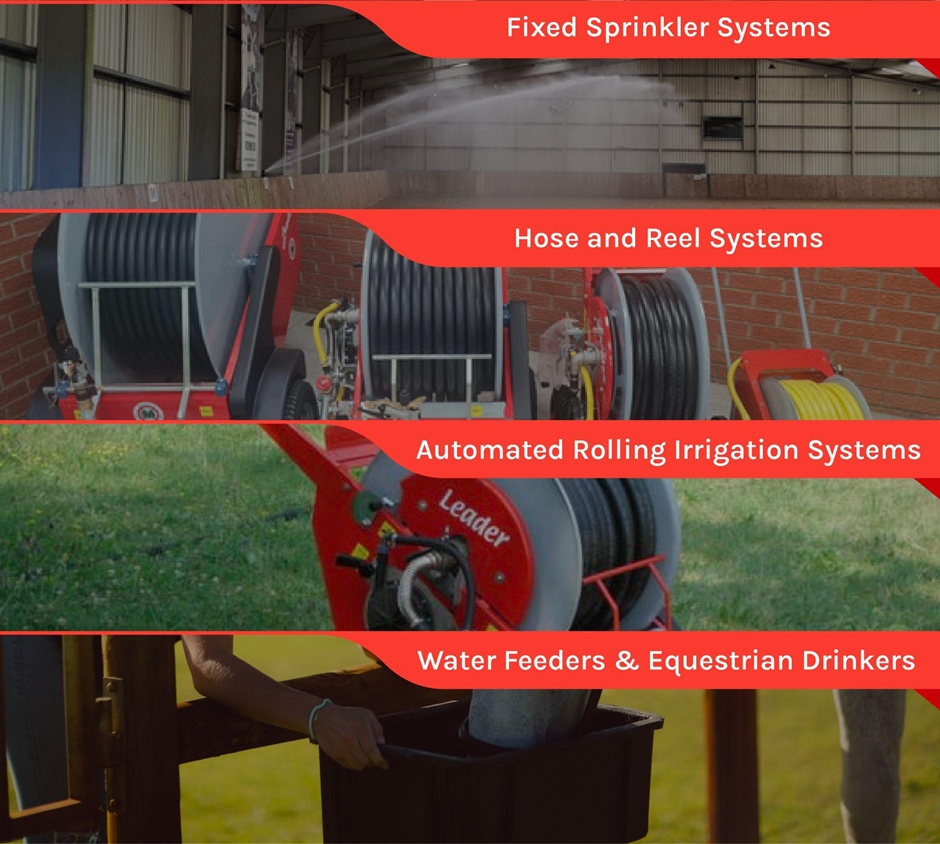
Horticultural sprinklers are highly versatile, making them suitable for a range of small farm setups where different crops and growing conditions demand tailored irrigation approaches.
Vegetable Beds
Vegetable crops often require consistent moisture levels to thrive. Uneven watering can lead to issues such as poor germination, uneven growth, and reduced yields.
Horticultural sprinklers provide even coverage across vegetable beds, ensuring that all plants receive adequate water. Fine spray patterns are particularly useful for delicate seedlings, as they prevent soil disturbance and protect young plants.
Polytunnels and Greenhouses
Greenhouse sprinklers are specifically designed to work within enclosed environments. They help maintain humidity levels and provide gentle, uniform watering that supports healthy plant development.
In polytunnels, where airflow and evaporation rates can vary, a well-designed sprinkler system ensures consistent moisture without over-saturating the soil. This is particularly important for crops such as tomatoes, cucumbers, and leafy greens.
Small Orchards
Young trees and small orchards benefit greatly from controlled irrigation. Horticultural sprinklers can be used to provide targeted watering around the root zone, promoting strong root development and healthy growth.
Adjustable sprinkler heads allow growers to modify coverage as trees mature, ensuring that water is delivered where it is needed most.
Choosing the Right Type of Sprinkler
Selecting the correct sprinkler head is essential for achieving the best results. Different crops and environments require different watering approaches, and choosing the right equipment can make a significant difference.
For example, fine mist sprinklers are ideal for propagation areas and seedlings, where gentle watering is required. In contrast, rotating or impact-style sprinkler heads are better suited to outdoor sprinklers covering larger areas such as vegetable plots or orchards.
Many growers opt for trusted brands such as Hunter irrigation products, which are known for their reliability and precision. These systems offer a range of sprinkler heads and components that can be tailored to suit specific horticultural needs.
Water Efficiency and Sustainability
Water efficiency is becoming increasingly important for growers, particularly in the face of changing weather patterns and rising costs. Horticultural sprinklers are designed to maximise water use while minimising waste.
By delivering water evenly and directly to crops, these systems reduce runoff and evaporation. This not only conserves water but also ensures that plants receive the moisture they need to thrive.
In addition, automated systems can be programmed to operate during optimal times, such as early morning or late evening, further improving efficiency.
Improving Crop Health and Yield
Consistent irrigation plays a vital role in plant health. Fluctuations in moisture levels can stress plants, making them more susceptible to pests and diseases.
Horticultural sprinklers help maintain stable growing conditions, supporting strong, healthy plants. This leads to improved yields and better-quality produce, which is essential for small farms looking to maximise their output.
Uniform watering also promotes even growth, resulting in crops that are more consistent in size and appearance - an important factor for market sales.
Flexibility and Customisation
One of the standout advantages of horticultural sprinklers is their adaptability. Systems can be customised to suit different layouts, crop types, and water sources.
Whether you are working with a compact greenhouse or a larger outdoor growing area, sprinkler systems can be designed to meet your specific requirements. Components such as valves, controllers, and filters can be added to enhance performance and reliability.
At Irrigation Online, we offer a wide range of horticultural sprinklers, sprinkler heads, and complete irrigation systems designed specifically for growers. Our expertise ensures that you can find the right solution for your farm, no matter the size or complexity.
Integration with Modern Irrigation Technology
Modern horticultural sprinkler systems can be integrated with advanced irrigation controllers, allowing for precise scheduling and monitoring. This level of control is particularly beneficial for small farms, where efficiency and resource management are key.
Automated systems can adjust watering schedules based on weather conditions, reducing unnecessary water use and ensuring optimal growing conditions. This not only saves time but also helps to future-proof your irrigation setup.
Long-Term Value for Small Farms
Investing in a horticultural sprinkler system offers long-term benefits that extend beyond immediate convenience. Reduced labour, improved crop health, and increased yields all contribute to a more efficient and profitable operation.
While there is an initial cost involved, the return on investment is often significant. By improving water use and reducing waste, growers can lower their operating costs and achieve more consistent results.
Choosing the Right System with Irrigation Online
Horticultural sprinklers provide an ideal irrigation solution for small farms, offering precision, efficiency, and flexibility. Whether you are managing vegetable beds, operating greenhouse sprinklers, or maintaining a small orchard, these systems ensure that your crops receive the care they need to thrive.
By choosing the right sprinkler head and system design, you can create a tailored irrigation setup that supports healthy growth and maximises productivity. With trusted options such as Hunter irrigation products and expert support available, it has never been easier to upgrade your irrigation system.
If you are looking to improve your farm’s irrigation, explore our range of horticultural sprinklers and outdoor sprinklers today. Get in touch with us at Irrigation Online to find the perfect solution for your growing needs and take the next step towards more efficient, reliable watering.
Recent Posts
-
Efficient Watering Solutions for Small Garden Spaces
Small gardens can be just as vibrant and productive as larger landscapes, but making the most of lim …5th May 2026 -
The Advantages of Horticultural Sprinklers for Small Farms
Efficient irrigation is one of the most important factors in achieving consistent, high-quality yiel …5th May 2026 -
Irrigation Sprinkler Systems: From Simple to Fully-Automated
Keeping lawns, gardens, and landscaped areas healthy requires consistent and well-managed watering. …5th May 2026